
Business Card Business
First published on the TYPESETT design blog website that was active around ~2010.
Business cards, no matter what the print industry is going through these days will always survive. They are a simple, inexpensive and non-cumbersome physical extension of yourself that can continue to serve a functional purpose no matter what technology shifts occur. Here are 10 important elements designers should consider in their quest for business card nirvana:
1 — Information
You can make a strong statement with what you don’t say. Depending on the type of business, you can get away with not saying much on a card. It can draw attention to what you really want them to do, such as visit the website. Conversely, you can pack a card with tons of data as long as it ties in with a concept. The business cards for my design firm have a lot of random personal information but it often leads to easily striking up conversations and getting to know clients better.
2 — Concept
Having a unique overall concept instantly captures attention. It can also be a double edged sword because since it has so much cache in the client’s mind — it should be relevant in some way. Sometimes being overly clever is akin to trying too hard. However, if you can make it work because you’re taking advantage of some sort of unique factor in your name, company, or industry… that’s fair game.
3 — Shape
I think shape is one of the most underrated ways to make your card stand out. My experience with my personal cards being slightly smaller than the norm is that it’s a detail that people always notice. Now imagine if you did some sort of die-cut or choose a shape completely divorced from what people think of in business cards… you and the card would be instantly memorable.
4 — Material
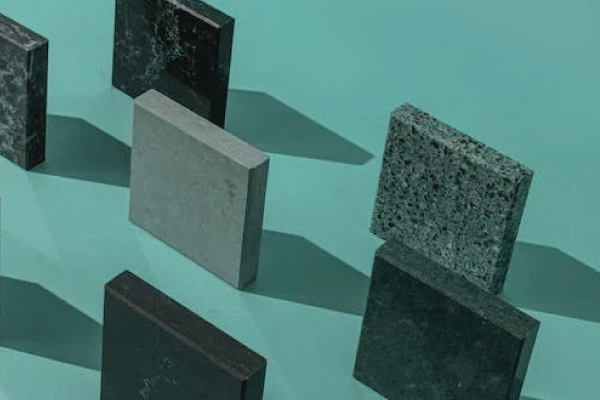
CAUTION… when leaving the realm of 100lb paper you can get into hit or miss situations because of how well the piece is produced. Other issues such as price and how annoying it becomes to carry around come into play too. On the opposite spectrum, using cheaper substrate can be just as bad because the card may require you to hand craft each one or the material may be very delicate. However, when successful — these cards are total show stoppers.
5 — Color
This may be one of the easiest ways a designer can set themselves apart while not straying too far away from the pack. Colors play such a huge role in the way people perceive things that a smart designer can use that to their advantage and design a great card without having to resort to exotic tricks and the trendy technique of the moment.
6 — Texture
This is one of the human senses that I think designers forget about sometimes for business cards. Whether it’s an emboss, varnish, substrate or special process — it’s always fun to watch people focus on just the feel of the card rather than the look (which we are more used to).
7 — Size
Risky as it may be, size can be a playful and instant attention getter. Dramatically bigger or smaller somehow always says something about the card owner as well from my experience. The challenges of this can be tough as a large card is cumbersome but a small card can easily be misplaced.
8 — Versions
Often unappreciated because people rarely see all the cards together as a set, having multiple versions can serve as a nice conversation starter if they notice that each card is unique. If you’re like Jason Santa Maria (as seen below) and participate in conferences/meetings where you might have a stack of cards out — a nice functional trick may be to lay them out so they can see the cards as a set if you designed them that way.
9 — Alternate Purpose
These type of “business cards” often generate huge buzz in design books and magazines because they’re almost like modern art. At it’s best, people will never forget you because of it but at it’s worse you might need to make a second set of cards because let’s face it — you’re not gonna carry around a box full of wooden laundry clips every where you go.
10 — Part of a Business System
A jaw dropper of a card is all well and good but if it is a total disconnect from the rest of your business system, you may have consistency issues. Alternatively, if you make your business system some sort of circus to help buoy the card’s extravagance that can make you look like you’re “trying too hard” (which can appear unprofessional at times).
Be You
Business cards at their best display some basic information while showing a bit of your personality. There is a fine line you have to look out for depending on who you are, what type of work you do and other factors but I support those who are willing to take a bit of a risk and throw some caution to the wind for the sake of innovation. If you concentrate on two of the ten listed elements, you’re well on your way to a quality card.
Permalink: https://jacktse.com/business-card-business/